
Transport in Cuba in 2026: what you need to know before your trip
If you're planning to visit Cuba, it's normal to wonder how the fuel crisis affects your transfers. Since February 2026, the Cuban government authorised private companies to import their own fuel for the first time in almost 70 years, which has allowed organised private taxi services to keep operating even when state-run gas stations have queues or shut down. With the right information and good planning, you can absolutely have a safe and enjoyable experience.
Private transfer Havana–Varadero from $120 USD per vehicle in 2026.
Most important before you travel
- Since 2026, Cuban private companies can import their own fuel — that's how we keep operating normally.
- Fuel is still expensive: since May 2026 there's no fixed price, each seller sets its own based on import costs.
- Booking in advance is key to securing your transfer.
- Paying upfront via PayPal locks in the price until the day of service, no matter how much fuel goes up.
Indicative prices · Subject to fuel availability and variable pricing in Cuba
No payment required now · Pay on arrival
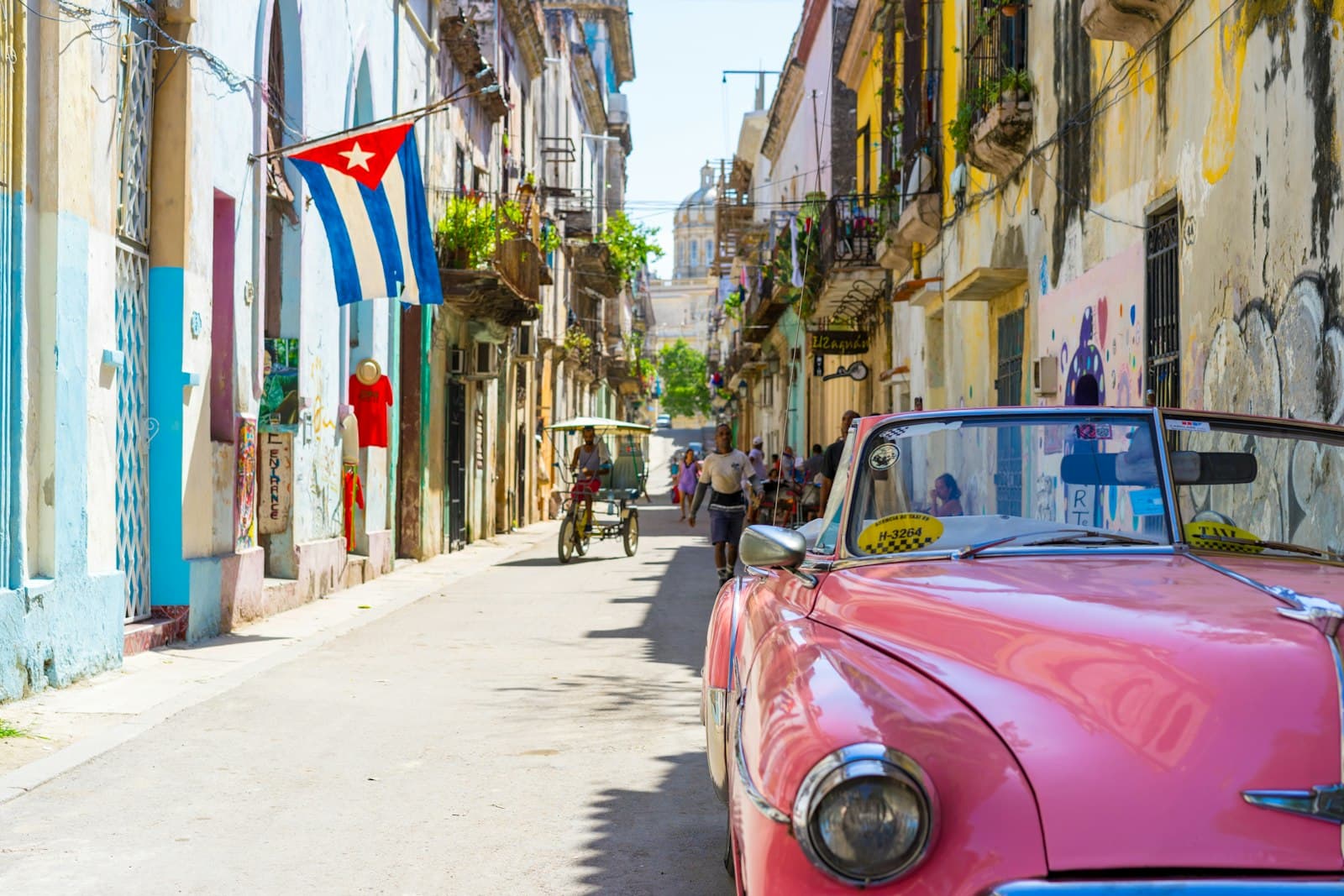
The fuel situation in Cuba in 2026
Cuba is going through an energy crisis driven by falling oil supplies and Washington's pressure on third countries that sell it fuel. In response, in February 2026 the government authorised — for the first time in almost 70 years — Cuban private companies to import fuel directly, under a US Treasury Department licence, though only for their own use, with resale not permitted. This has created two parallel markets: state-run gas stations, with shortages and queues, and privately imported fuel, more stable but more expensive.
How does the crisis impact transport?
State-run public transport is the hardest hit, with blackouts of up to 20-22 hours in some areas and state gas stations closed or with hours-long queues. Organised private taxis, on the other hand, have become the island's main means of transport because many operators secure their own fuel through private imports or authorised suppliers. The key for travellers remains the same: anticipation and coordination with a service that already has fuel access sorted out.
Can I travel to Cuba with peace of mind?
Yes. Despite the drop in tourism and the closure of some hotels and flight routes due to the crisis, thousands of visitors continue to arrive on the island and enjoy its beaches, culture and gastronomy. The fuel crisis does not prevent tourism, but it does make it essential to plan transfers more carefully with a provider that guarantees the service.
How fuel affects taxi prices in Cuba
Since 15 May 2026, fuel in Cuba no longer has a fixed price in dollars: each authorised seller sets its own price based on real import costs. On the informal market, fuel can cost between $4 and $6 per litre, well above the official price. Transfer prices reflect that real cost — these are not arbitrary changes but adjustments tied to what it costs today to obtain and transport fuel.
Important: online prices vs current reality
Since fuel prices now change frequently after being deregulated by the state, any website showing prices from more than a month or two ago is likely out of date. Always check that the information is current for 2026.
Advance booking and price stability
For greater peace of mind, there is the option to pay for your transfer in advance via PayPal. The price is locked in from the moment of booking until the day of the transfer. Regardless of changes in the market or fuel availability, there will be no variations in the agreed price.
Planning: the key to enjoying your trip
In the current context, planning is your best ally. Confirm your transfers in advance, check updated prices, maintain direct communication with your provider and allow for some flexibility in schedules. These steps will let you move around with peace of mind and make the most of your time on the island.
How do we guarantee service despite the shortage?
We work with drivers who already have fuel access sorted out, either through authorised suppliers or the private imports allowed since 2026. This lets us offer you a confirmed transfer instead of the uncertainty of state gas station queues.
Our commitment to you
- Transparent information about the real fuel situation in Cuba
- Prices adjusted and updated periodically
- Guaranteed fuel access through authorised suppliers
- Efficient transfer coordination from the moment of booking
- Support before and during your trip
Frequently asked questions
Is it safe to travel to Cuba in 2026?
Yes. Cuba remains a safe destination for tourists. The fuel situation affects transfer logistics, but not the personal safety of visitors.
Why are taxi prices in Cuba higher than before?
Since May 2026, fuel in Cuba no longer has a fixed price: each authorised seller sets it based on their import costs, which remain high. Current prices reflect that real cost — they are not arbitrary increases.
Where do private taxis in Cuba get their fuel from?
Since February 2026, the Cuban government authorised — for the first time in almost 70 years — private companies to import their own fuel under a US Treasury licence, though only for their own use. Many organised private taxi services, including ours, rely on this mechanism or on authorised suppliers, which keeps the service running even when state gas stations face shortages.
Can I pay for my transfer on arrival in Cuba?
Yes, but the price may be adjusted based on the fuel situation at that time. If you pay upfront via PayPal, the price is frozen from booking until the day of service.
How far in advance should I book my transfer?
We recommend booking at least 48–72 hours in advance to guarantee availability, especially during high season.
Is the price all-inclusive or per person?
The price covers the full vehicle, not per person. It includes the driver and fuel for the indicated route, with no hidden extra charges.
If you have questions or want to coordinate your transfer in advance, we'll be happy to help.